
Energy Storage & Battery Systems: The Backbone of Renewable Power
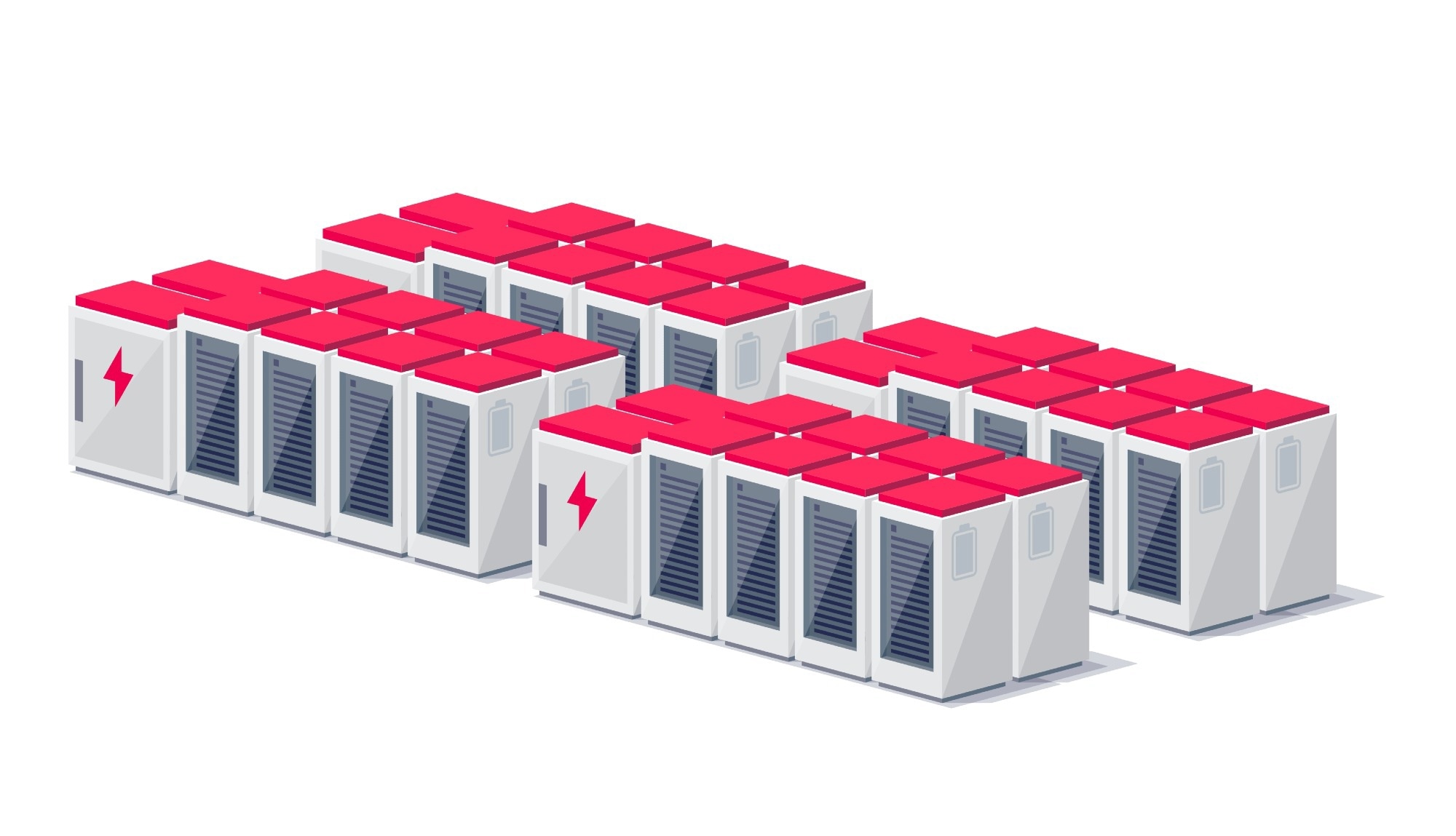
As renewable energy adoption continues to grow, one of the most important challenges is ensuring a stable and reliable power supply. Unlike traditional energy sources, renewables such as solar and wind depend on environmental conditions, which can vary throughout the day. This is where energy storage systems play a critical role by storing excess energy and making it available when needed.
Battery storage technology has become a key component of modern energy systems, enabling users to maximize efficiency, reduce dependency on the grid, and ensure uninterrupted power supply. From residential setups to large-scale industrial applications, energy storage is transforming how we manage and consume electricity.
How Energy Storage Systems Work
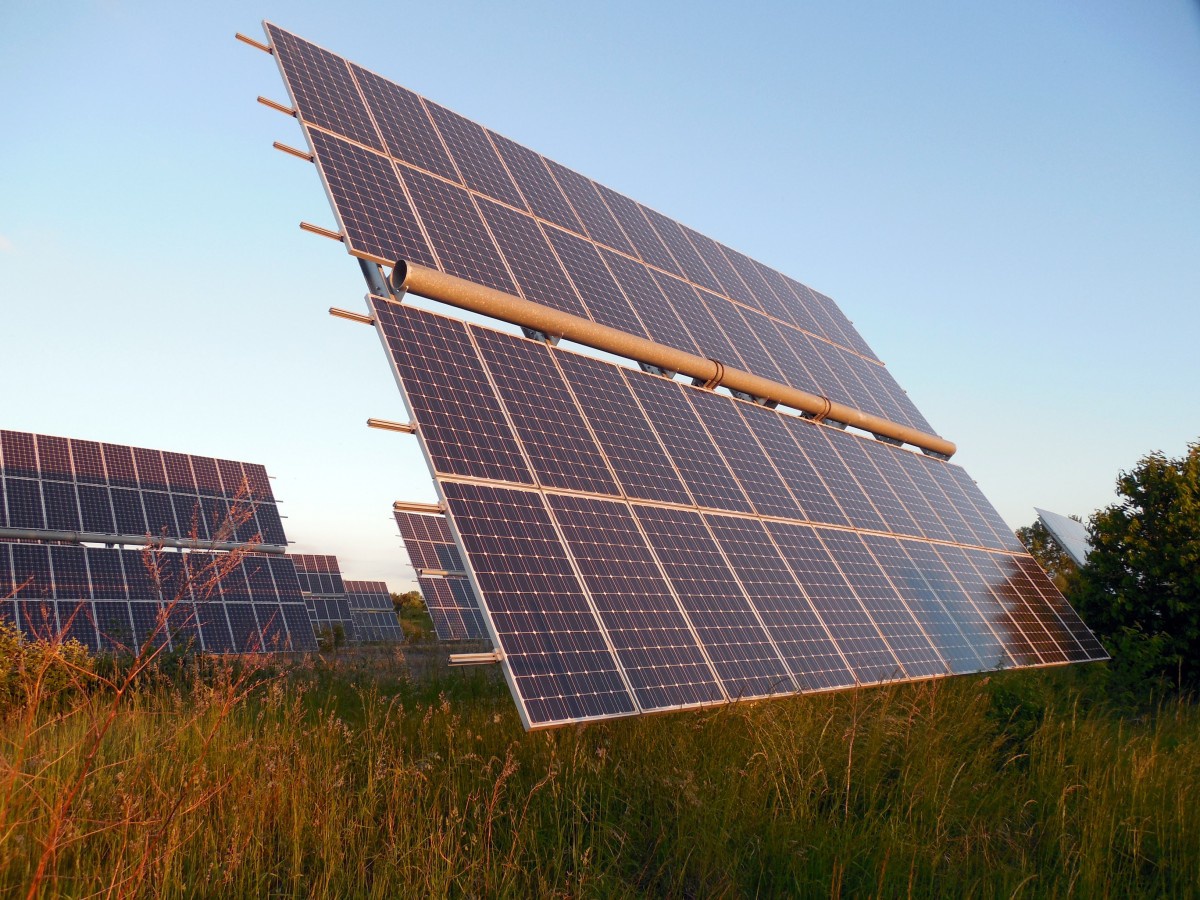
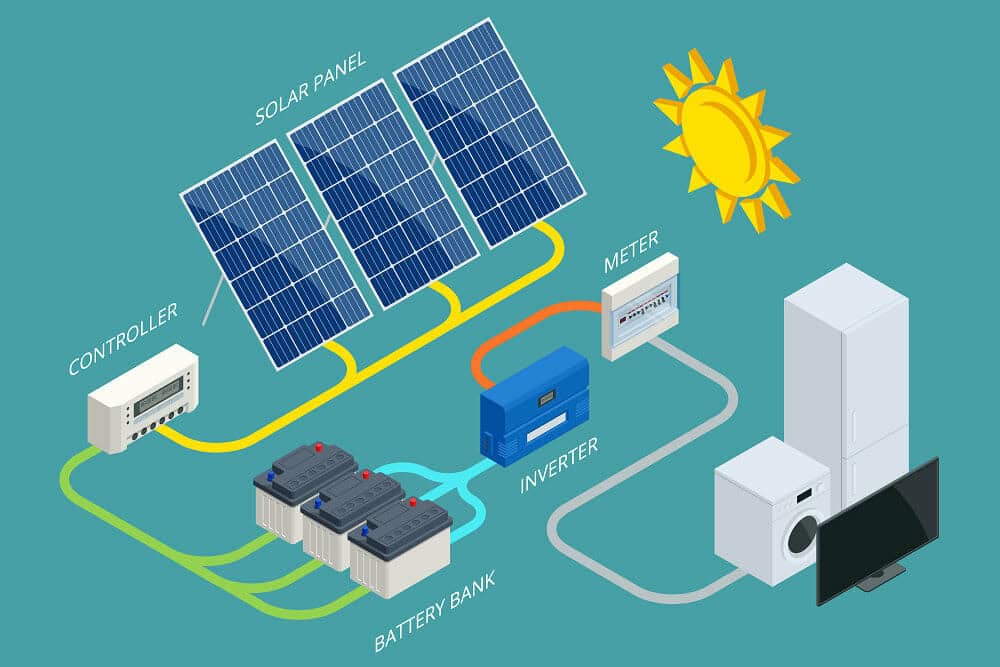
Energy storage systems capture and store electricity generated from renewable sources such as solar panels or wind turbines. During periods of high energy production, excess electricity is stored in batteries instead of being wasted. This stored energy can then be used during nighttime, cloudy days, or peak demand hours when generation is low.
Modern battery systems are equipped with intelligent management technology that monitors energy flow, optimizes usage, and ensures safety. These systems automatically decide when to store energy and when to release it, making energy consumption more efficient and reliable for users.
Types of Battery Technologies
There are several types of batteries used in energy storage, each with its own advantages. Lithium-ion batteries are the most commonly used due to their high efficiency, long lifespan, and compact design. They are widely used in residential solar systems and electric vehicles.
Other battery types include lead-acid batteries, which are more affordable but have a shorter lifespan, and advanced technologies such as solid-state and flow batteries that are currently being developed for large-scale applications. The choice of battery depends on factors such as budget, energy requirements, and usage patterns.
Benefits of Energy Storage Systems
One of the biggest advantages of energy storage is energy independence. Users can rely less on the grid and have backup power during outages. This is especially beneficial in areas with unreliable electricity supply or frequent power cuts.
Additionally, energy storage systems help reduce electricity costs by allowing users to store energy when it is cheaper and use it during peak pricing periods. They also improve the overall efficiency of renewable energy systems by minimizing energy wastage and maximizing utilization.
The Future of Energy Storage
The future of energy storage is driven by continuous innovation and technological advancements. Researchers are developing more efficient, longer-lasting, and environmentally friendly battery solutions to meet growing energy demands. As technology evolves, energy storage systems are expected to become more affordable and widely accessible.
Integration with smart grids, electric vehicles, and home automation systems will further enhance the role of energy storage in modern energy ecosystems. These advancements will play a crucial role in accelerating the global transition to renewable energy.
“Energy storage is not just a backup—it is the key to unlocking the full potential of renewable energy.”
Conclusion
Energy storage systems are essential for building a reliable and sustainable energy future. By enabling efficient energy management and reducing dependence on traditional power sources, they support the widespread adoption of renewable energy technologies.
At GreenieSolar, we recognize the importance of integrating advanced battery solutions with renewable energy systems. By investing in energy storage, users can achieve greater efficiency, reliability, and long-term savings while contributing to a cleaner and more sustainable world.
Leave a Reply