
Renewable Energy Sources: Powering the World Beyond Solar
As the global demand for energy continues to rise, the need for sustainable and environmentally responsible solutions has become more critical than ever. Renewable energy sources offer a powerful alternative to traditional fossil fuels by harnessing natural processes that are continuously replenished. While solar energy plays a major role in this transition, it is only one part of a much broader ecosystem of clean energy solutions.
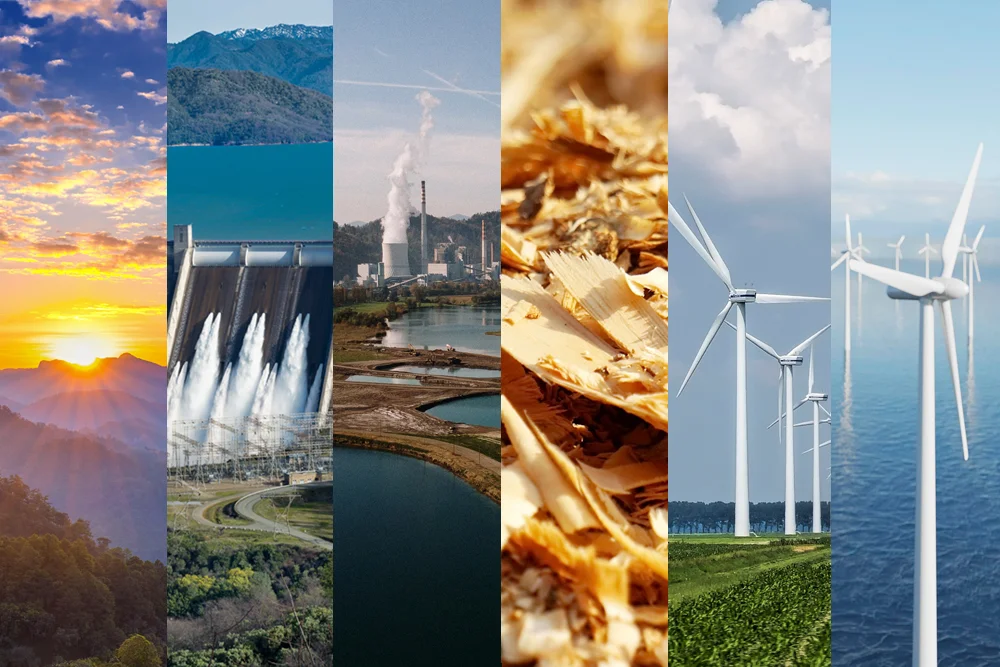
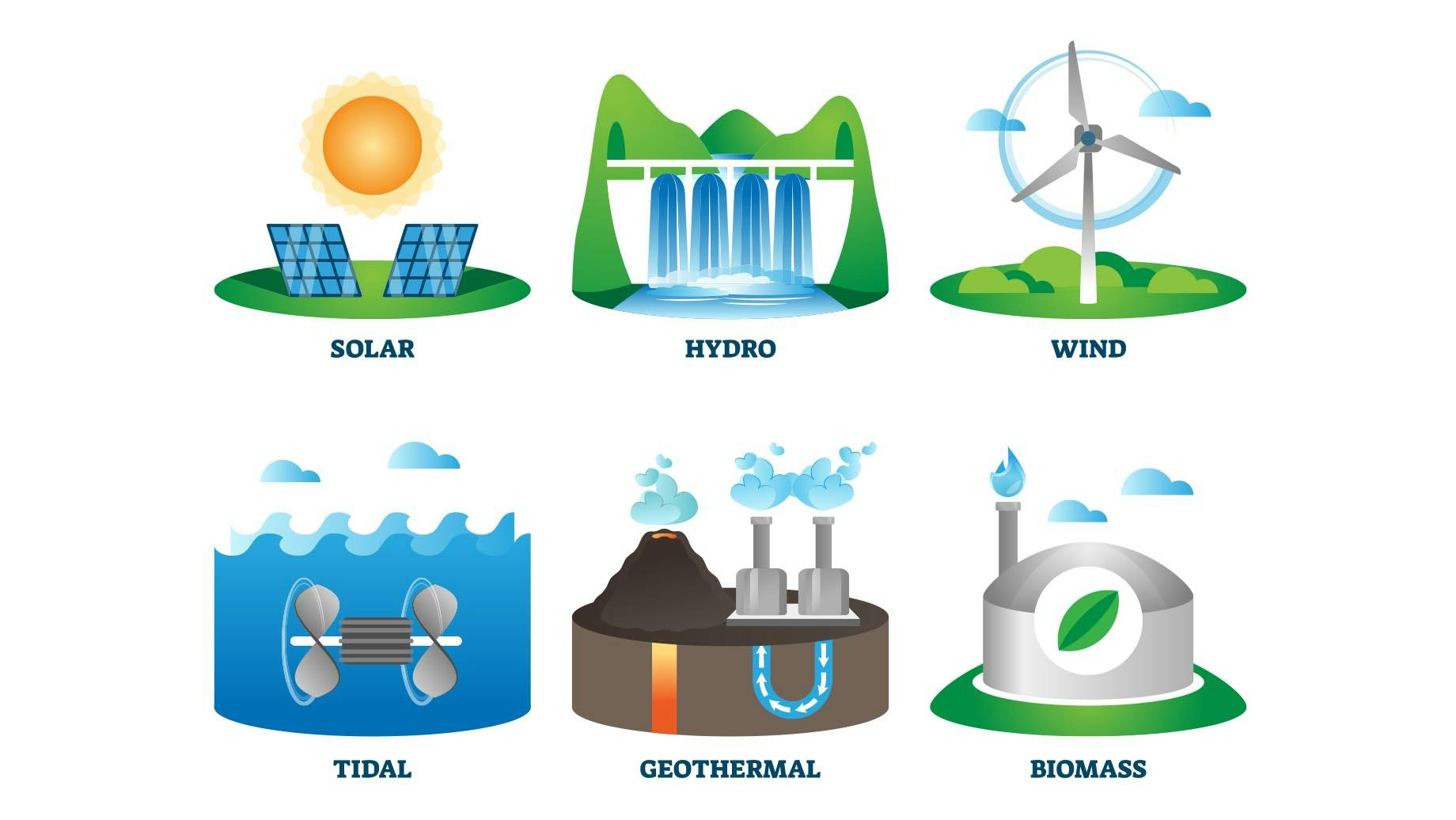
From wind and hydropower to geothermal and biomass, renewable energy technologies are transforming how electricity is generated and consumed worldwide. Understanding these different energy sources helps individuals and businesses make informed decisions while contributing to a cleaner and more sustainable future.
Wind Energy: Harnessing Natural Airflows
Wind energy is one of the fastest-growing renewable energy sources globally. By using wind turbines, kinetic energy from moving air is converted into electricity. Large-scale wind farms are capable of generating significant amounts of power, making them a key contributor to national energy grids.
Wind energy is clean, abundant, and cost-effective in the long run. However, its efficiency depends on location and wind patterns. Despite these challenges, advancements in turbine technology continue to improve performance and expand its usability across different regions.
Hydropower: Energy from Water
Hydropower generates electricity by utilizing the movement of water, typically through dams or flowing rivers. It is one of the oldest and most reliable renewable energy sources, providing consistent power with high efficiency. Large hydroelectric plants can supply electricity to millions of households.
While hydropower is highly effective, it requires significant infrastructure and can impact local ecosystems if not managed responsibly. Modern approaches focus on sustainable designs that minimize environmental disruption while maximizing energy output.
Geothermal Energy: Heat from the Earth
Geothermal energy taps into the natural heat stored beneath the Earth’s surface to generate electricity and provide heating solutions. This source is highly reliable because it is not dependent on weather conditions, making it a stable and continuous form of energy generation.
Although geothermal energy is limited to regions with suitable geological conditions, it offers a powerful and sustainable solution where available. Advances in technology are expanding its reach and making it more accessible in new areas.
Biomass Energy: Turning Waste into Power
Biomass energy is produced from organic materials such as agricultural waste, wood, and other biological substances. By converting these materials into energy, biomass helps reduce waste while generating electricity and heat.
This renewable source supports a circular economy by reusing resources that would otherwise be discarded. However, it must be managed carefully to ensure sustainability and avoid overexploitation of natural resources.
“The future of energy lies not in a single source, but in the intelligent combination of renewable solutions.”
Conclusion
Renewable energy is no longer limited to a single technology. A diverse mix of energy sources, including solar, wind, hydropower, geothermal, and biomass, is shaping a more resilient and sustainable global energy system. Each source has its own strengths and applications, contributing to a balanced and efficient energy future.
At GreenieSolar, we believe in promoting awareness and adoption of all forms of clean energy. By embracing renewable solutions, we can reduce environmental impact, improve energy security, and build a future powered by sustainable innovation. The transition has already begun—and every step forward matters.
Leave a Reply