
Rooftop Solar vs Traditional Electricity: Which One Saves More?
As electricity costs continue to rise and environmental concerns grow, many homeowners and businesses are exploring alternative energy solutions. Among these, rooftop solar systems have gained significant popularity as a sustainable and cost-effective option. However, a common question remains: how does rooftop solar compare to traditional electricity in terms of long-term savings and overall value?
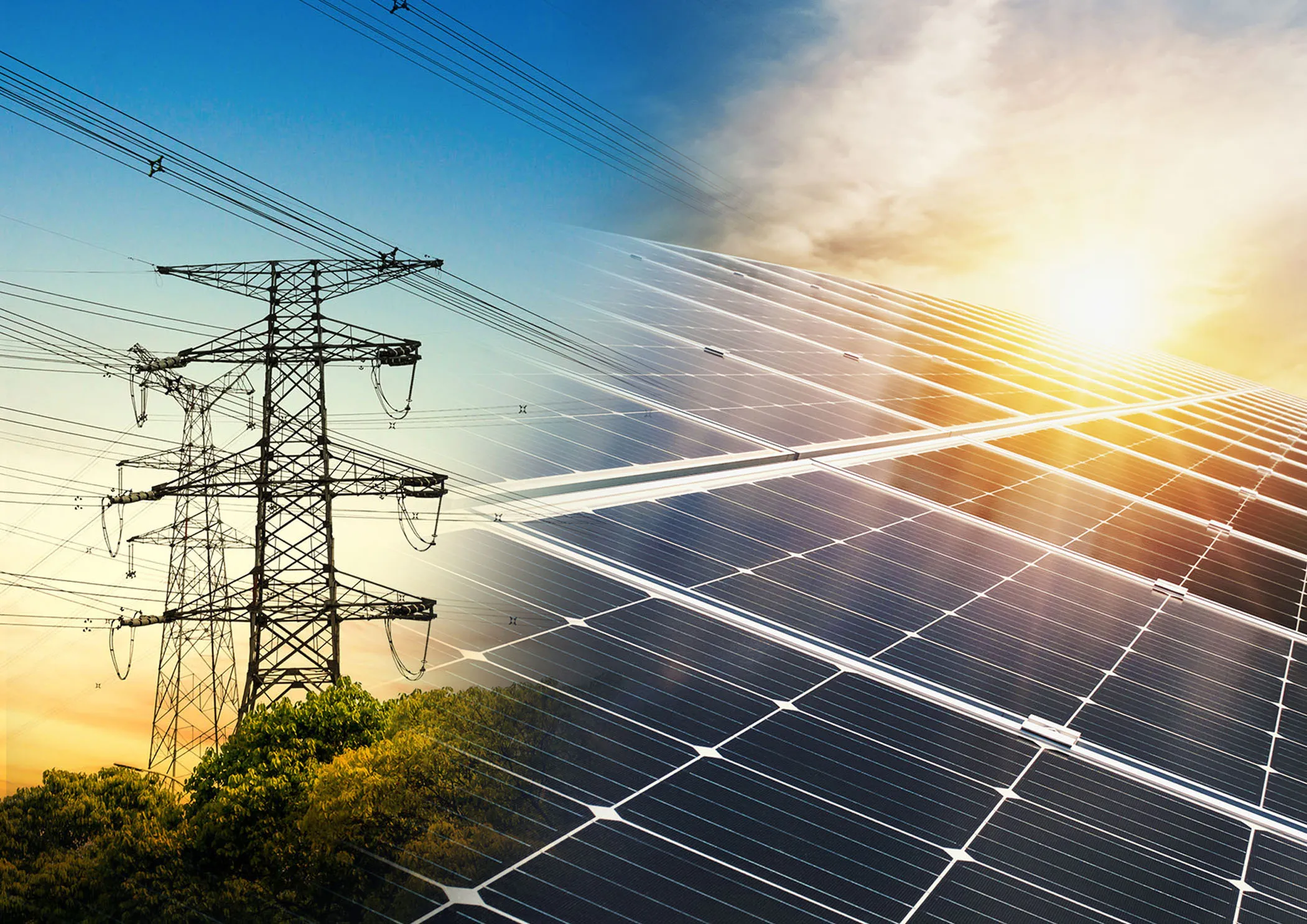
Understanding the differences between these two energy sources is essential for making an informed decision. While traditional electricity relies on centralized power generation and fluctuating tariffs, rooftop solar offers decentralized energy production with long-term financial and environmental benefits. This comparison highlights key factors to help you choose the best option for your needs.
Cost Comparison and Long-Term Savings
Traditional electricity may seem convenient initially because it requires no upfront investment beyond standard connection fees. However, users remain subject to rising tariffs, fuel cost fluctuations, and additional charges over time. Monthly electricity bills can increase unpredictably, making it difficult to control long-term expenses.
In contrast, rooftop solar involves an initial installation cost, but it significantly reduces or even eliminates electricity bills in the long run. Once installed, solar systems generate free energy for decades, offering a stable and predictable cost structure. Over time, the savings often outweigh the initial investment, making solar a financially advantageous choice.
Energy Independence and Reliability
Traditional electricity systems depend on centralized grids, which can be affected by outages, infrastructure issues, or peak demand. This reliance means users have limited control over their energy supply and may experience interruptions during critical times.
Rooftop solar systems, especially when paired with battery storage, provide greater energy independence. Users can generate and store their own electricity, reducing dependence on external sources. This not only improves reliability but also ensures continuous power availability during outages or grid failures.
Environmental Impact
Traditional electricity generation often relies on fossil fuels such as coal and natural gas, which contribute significantly to carbon emissions and environmental pollution. Continuous use of these resources accelerates climate change and depletes natural reserves.
Solar energy, on the other hand, is clean, renewable, and environmentally friendly. By switching to rooftop solar, users can drastically reduce their carbon footprint and contribute to a healthier ecosystem. This makes solar energy not only a smart financial decision but also a responsible choice for the planet.
Maintenance and Lifespan
Electricity from the grid does not require direct maintenance from users, but it comes with ongoing costs and limited transparency regarding generation sources. In contrast, rooftop solar systems require minimal maintenance, typically limited to occasional cleaning and periodic system checks.
Modern solar panels are designed to last 20–25 years or more, providing consistent performance with minimal degradation. This long lifespan ensures that users benefit from sustained energy production and long-term savings with relatively low upkeep.
“Investing in solar today means saving more tomorrow while protecting the planet for future generations.”
Conclusion
Both rooftop solar and traditional electricity have their own advantages, but when evaluated over the long term, solar energy clearly stands out as a more sustainable and cost-effective solution. While the initial investment may seem significant, the long-term financial savings, energy independence, and environmental benefits make it a worthwhile choice.
At GreenieSolar, we are committed to helping you transition to smarter energy solutions with ease. By choosing rooftop solar, you are not only reducing your electricity costs but also contributing to a cleaner and more sustainable future. The shift toward renewable energy begins with a single step—and that step starts with solar.
Leave a Reply