
On-Grid vs Off-Grid Solar Systems: Which One is Right for You?
As solar energy adoption continues to grow, choosing the right type of solar system has become an important decision for homeowners and businesses alike. Two of the most common options are on-grid and off-grid solar systems, each designed to meet different energy needs and usage patterns. Understanding how these systems work and their respective advantages is essential before making an investment.
While both systems harness solar power to generate electricity, they differ significantly in terms of connectivity, cost, storage, and reliability. Selecting the right system depends on factors such as your location, budget, energy consumption, and access to the electricity grid. This guide will help you understand the key differences and determine which option suits you best.
What is an On-Grid Solar System?
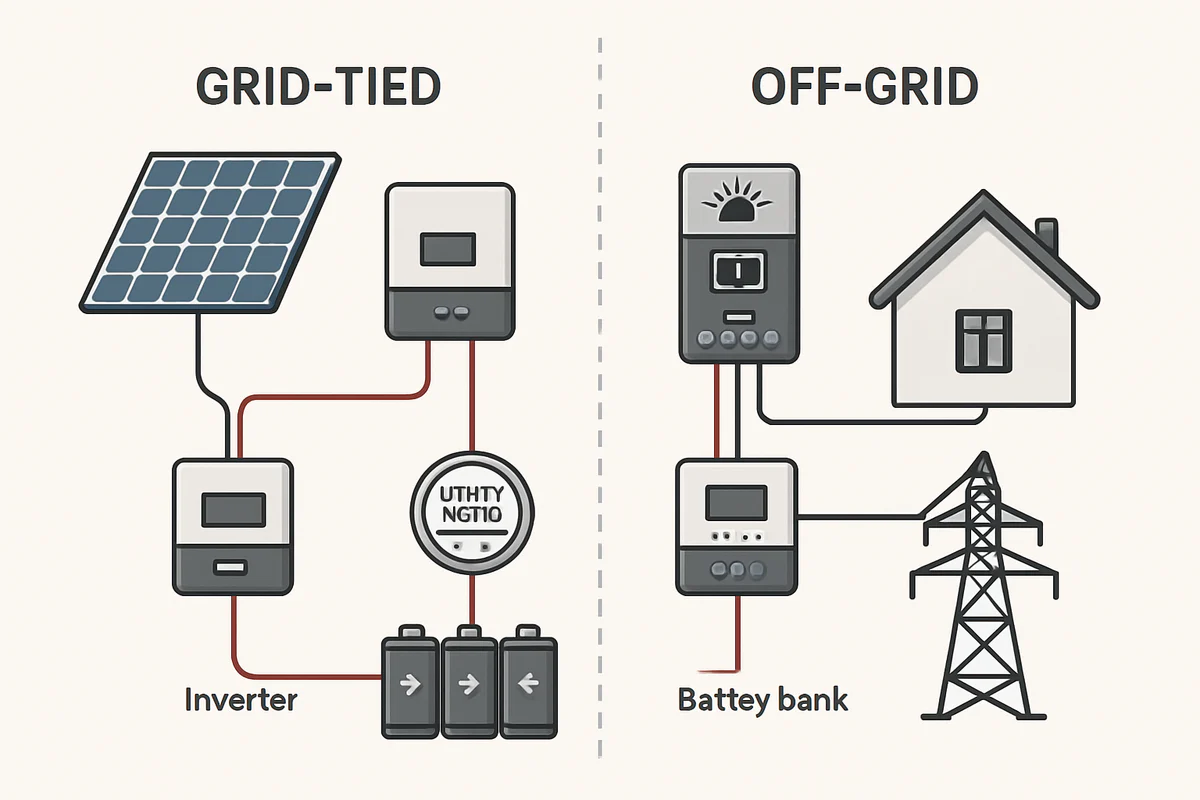
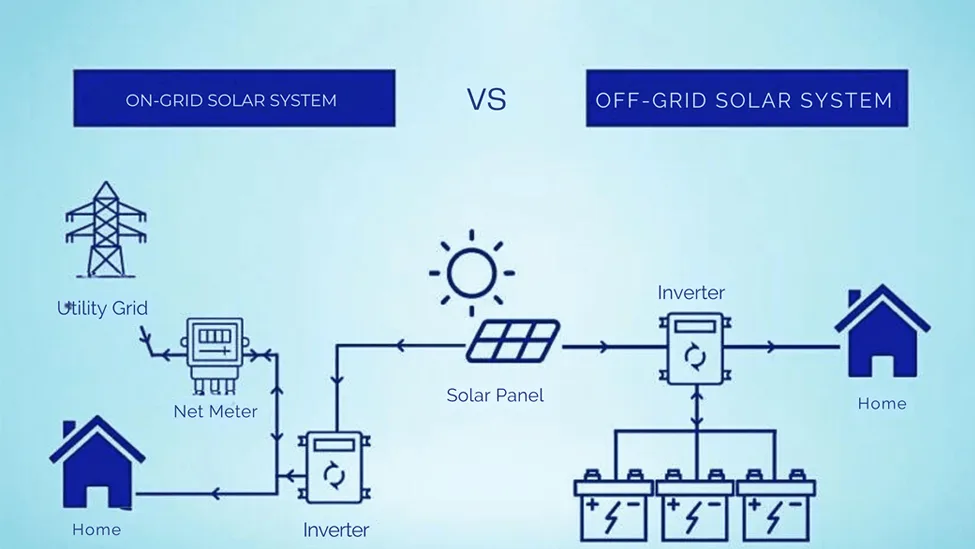
An on-grid solar system, also known as a grid-tied system, is connected directly to the local electricity grid. It allows users to generate their own solar power while still having access to electricity from the grid when needed. During the day, solar panels produce energy that powers your home or business, and any excess electricity can be exported back to the grid.
One of the key advantages of on-grid systems is their cost-effectiveness, as they do not require battery storage. They also enable net metering in many regions, allowing users to earn credits for surplus energy. However, these systems depend on the grid, meaning they do not function during power outages unless paired with additional backup solutions.
What is an Off-Grid Solar System?
Off-grid solar systems operate independently of the electricity grid. These systems are designed to generate and store all the energy required for a property using solar panels and battery storage. This makes them ideal for remote locations where grid connectivity is unavailable or unreliable.
The primary benefit of off-grid systems is complete energy independence. Users are not affected by power outages or grid failures, as all energy is stored and managed locally. However, these systems typically require higher upfront investment due to the inclusion of batteries and more complex system design.
Key Differences and Considerations
The main difference between on-grid and off-grid systems lies in their connection to the electricity network. On-grid systems are more affordable and suitable for urban areas with stable power supply, whereas off-grid systems are better suited for rural or remote regions where grid access is limited.
Another important factor is energy storage. On-grid systems rely on the grid as a backup, while off-grid systems require batteries to store excess energy for nighttime or cloudy conditions. This makes off-grid systems more complex but also more self-sufficient.
Which System Should You Choose?
Choosing between on-grid and off-grid solar systems depends on your specific energy needs and location. If you have access to a reliable grid and want to reduce electricity bills with minimal investment, an on-grid system is an excellent choice. It offers high efficiency, lower costs, and the benefit of net metering.
On the other hand, if you live in a remote area or require complete energy independence, an off-grid system is the better option. Although it involves higher initial costs, it provides uninterrupted power and long-term self-reliance. Evaluating your priorities and consulting with experts can help you make the right decision.
“The right solar system is not just about saving money—it’s about choosing the energy future that fits your lifestyle.”
Conclusion
Both on-grid and off-grid solar systems offer unique advantages, and the best choice ultimately depends on your individual requirements. While on-grid systems provide affordability and convenience, off-grid systems deliver independence and reliability in areas without stable electricity access.
At GreenieSolar, we help you evaluate your energy needs and guide you toward the most suitable solar solution. Whether you are looking to reduce costs or achieve complete energy independence, our expertise ensures a seamless transition to clean and sustainable power.
Leave a Reply